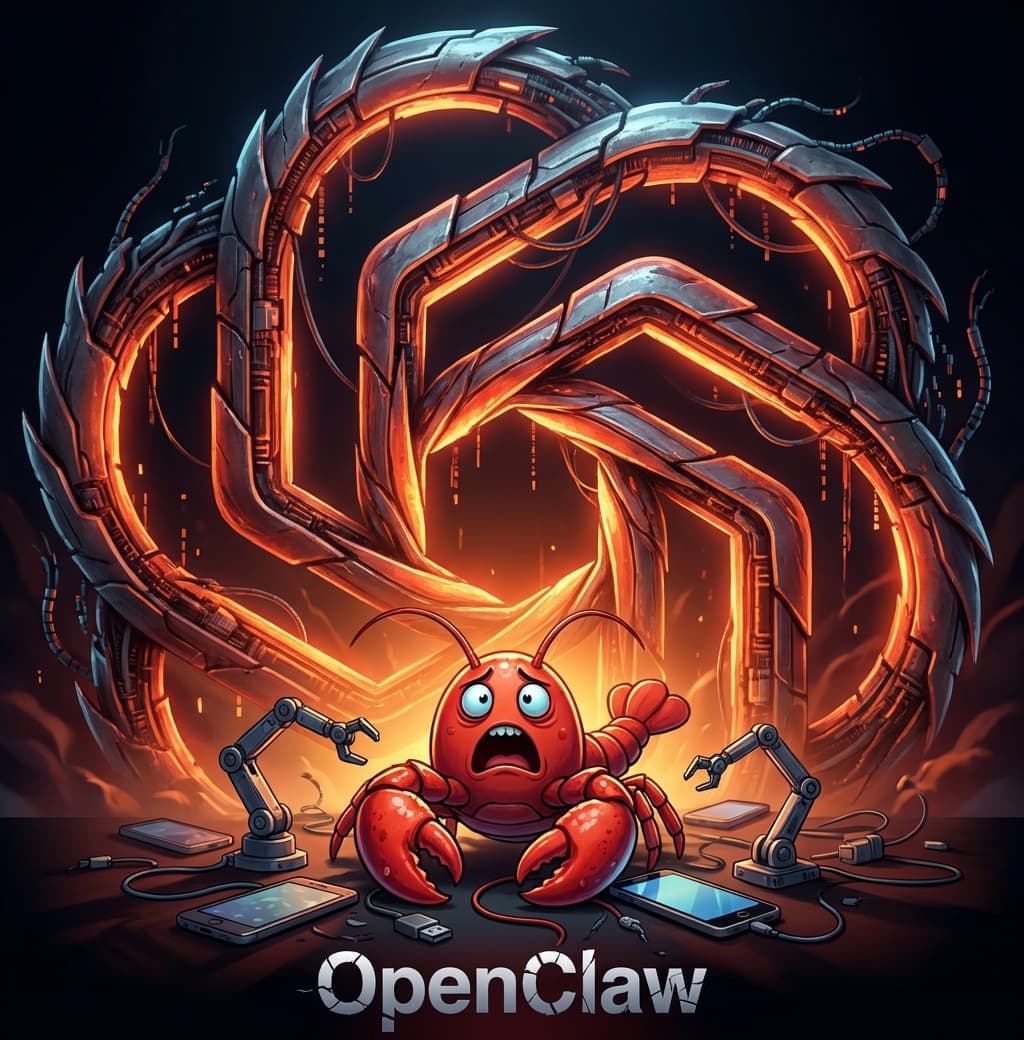
OpenAI Acquired OpenClaw
OpenAI just acquired OpenClaw. Not the project, the person. And honestly, that's worse.
If you've been living under a rock: OpenClaw is the open-source personal AI assistant that took over GitHub in the last few months. Over 200k stars on GitHub, runs locally on your devices, connects to WhatsApp, Telegram, Signal, you name it. It's the closest thing we've had to an AI assistant that actually respects your data and your autonomy. It started as a playground project by Peter Steinberger (formerly known as Clawdbot) and somehow turned into one of the most exciting open-source projects in AI.
Peter is a builder. He founded PSPDFKit, ran it for 13 years, grew it into a product used by nearly a billion people, raised $116M, and then walked away. Not because he failed, but because he was done building that. He wanted to build something new. That's how OpenClaw was born. Not as a company play. Not as a fundraising vehicle. As a project by someone who just genuinely loves to build things. You can see it on his GitHub. The man ships.
So when Peter announced he was joining OpenAI and that OpenClaw would move to a foundation, the headlines said "OpenClaw stays open source!" like that was the good news. Sure. But let's be honest about what actually happened: OpenAI got the builder, the vision, and the momentum. The foundation got the codebase. We've seen this movie before.
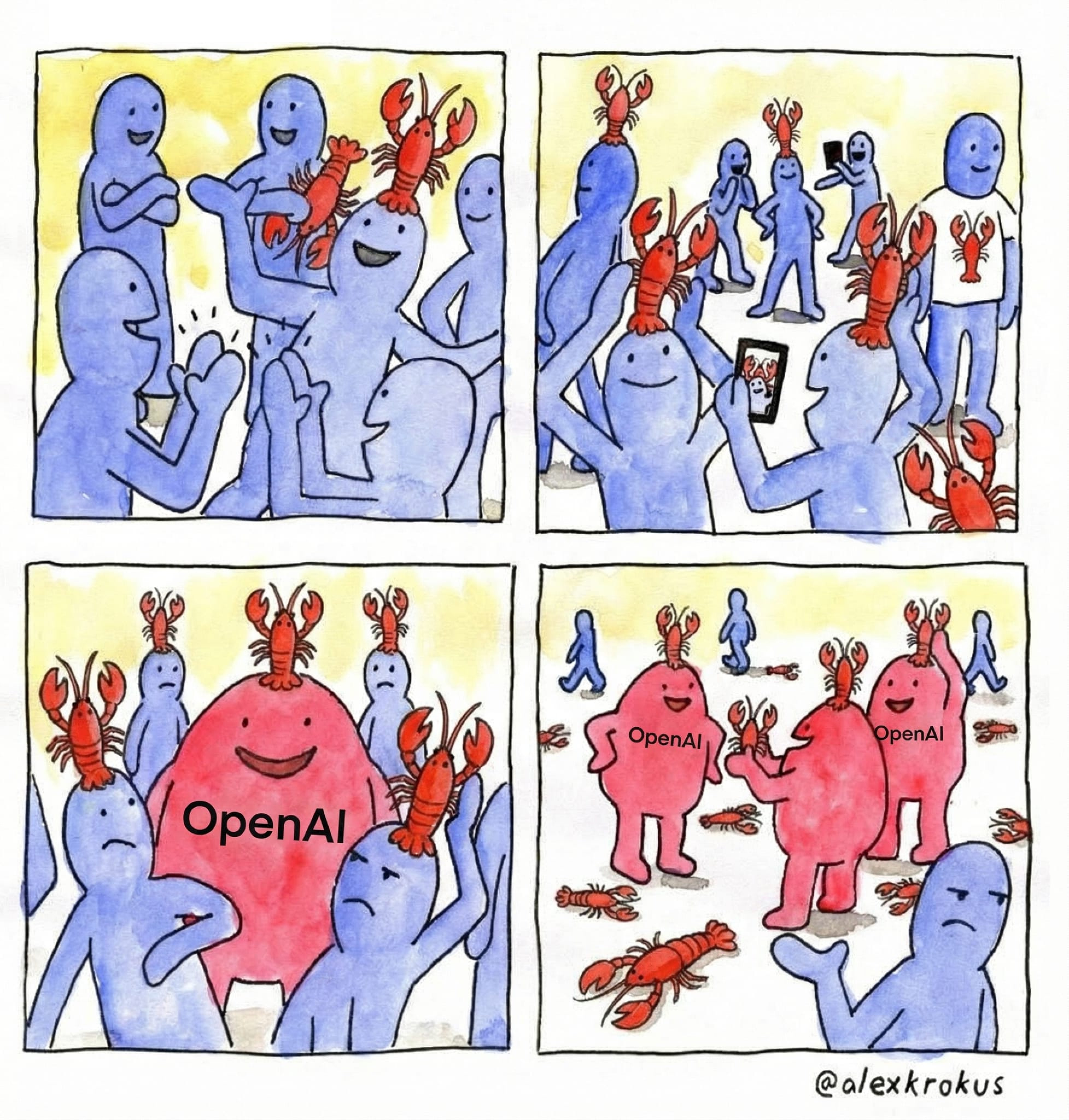
This is consistent with a pattern I've been writing about. OpenAI loves to flirt with open source without ever committing to it. GPT OSS was a subpar model on arrival, seemingly released just to check a box. Codex is technically open source but written in Rust, which makes contributing a nightmare compared to alternatives like OpenCode. They used to literally have "Open" as their founding principle. Now it's just a word in the brand. I wrote more about this in OpenAI Got Lucky, where I argue that their entire trajectory is built on a series of poor decisions that happened to work out. The open-source theater is just another chapter.
And look, I'm not here to criticize Peter. I congratulate him. If you get a seat on a rocketship, you strap in and hold tight. You don't ask questions. Peter has the ability to create something great, and OpenAI is giving him the resources, the models, and the platform to build what OpenClaw was always supposed to be, but at a scale he couldn't reach alone. Most people in his position would've done the same. I would've done the same.
But I don't think that's who Peter really is. Peter is the kind of person who builds things in the open, for everyone. He ran PSPDFKit as a bootstrapped company for over a decade before taking outside money. He made OpenClaw open source from day one. His instinct is to share, not to gatekeep. OpenAI's instinct is the opposite. They absorb builders, they absorb communities, and the open projects slowly fade into "foundation" status. Which, let's be real, is often just a nicer word for maintenance mode.
Will Peter try to keep OpenClaw alive? I believe he will. He clearly cares about the community. But the gravity of a company like OpenAI is hard to resist. The best ideas, the best energy, the best hours of the day. Those will go to the product that ships under the OpenAI brand. That's just how it works. The foundation gets the leftovers.
So yes, OpenAI acquired OpenClaw. Not through a purchase agreement or a press release with a dollar amount. They did it the way they always do: they hired the person who made it matter, and the project got a foundation as a parting gift. The lobsters keep getting absorbed, and we keep pretending the open-source project will be fine. I hope I'm wrong. But the pattern says otherwise.