What a Dotcom Survivor Taught Me About Not Dying in AI
Everyone is in wartime now.
When I say everyone, I mean everyone. Google went from Bison to Bard to Gemini in what felt like a panic. OpenAI declared "code red" internally. Anthropic looks chill but is quietly banning users who might be copying their model's outputs. Cursor went from one of the biggest developer products to being replaced by Claude Code. The list goes on.
It's kind of funny watching AI labs schedule their releases against each other. Whenever one lab announces a new model, suddenly everyone else's training cycle "just happened" to end at the same time. What a coincidence.
If you're running an AI startup right now, you already know: there is no peacetime.
That's why Ben Horowitz's book, The Hard Thing About Hard Things, hit me differently than it probably would have five years ago. Horowitz built Loudcloud through the dotcom crash, a moment when everyone declared the internet dead. The companies that survived went on to define the next decade.
Sound familiar?
Three Products, Zero Validation
Let me tell you about the dumbest thing we did.
We built three entire products without asking anyone if they wanted them.
Let me repeat that. Three products. Marketing sites. Landing pages. Outbound campaigns. Demo videos. Events. For three. Different. Products.
Please don't do that.
This was before AI coding tools, by the way. We wrote every line by hand. First an enterprise search engine. Then a documentation engine. Then an AI code assistant. Months of work each. And we couldn't sell any of them.
Then one day we woke up enlightened. What if we... hear me out... what if we talked to users before building something? Revolutionary concept, I know.
If you're reading this and thinking "how did you not see that earlier?" I get it. But it's like relationships. When you're in it, it's really hard to tell what you're doing wrong. You might be doing the same thing right now. I don't know. Just something to think about.
Here's the thing though. Within one of those failed products, we had this tiny feature that would find a bug and validate it by actually navigating the application. That little thing got more traction than everything else combined.
So we dropped everything and became Autonoma, QA with AI.
We fought hard through all that stupidity, and we have something to show for it. But the lesson is painfully obvious in hindsight: build what customers pull out of you, not what you push onto them.
The Finished Product That's Already Obsolete
Here's the funny part.
We finally have what feels like a finished product. And at the same time, it's no longer up to market standards. The market moved. It keeps moving. Every week there's a new capability that was impossible the week before.
So we're kind of back at the starting line? But with more experience and less hair.
Not because we'll pivot again. We know what we're building now. But we need to fight even harder. We understand the market better, but it's clearer than ever that we have so much left to learn.
Horowitz talks about this during the dotcom crash. The existential dread of watching your world change faster than you can adapt. But there's a key difference with AI: the technology is actually good. Genuinely useful products are coming out every day.
The problem is the noise.
When GPT-3.5 came out, everyone built AI for everything. Most of it was... not great. GPT wrappers with nice landing pages. The market got trained to be skeptical. Fair enough.
But here's what I've noticed: the companies that were solving a real problem using AI, they stayed. Meanwhile, my favorite product right now is literally an AI wrapper (Claude Code). The difference is it actually solves a problem I have every day.
I've been working with AI for about 11 years now. I've always been stubborn about one thing: don't use AI just because it's AI. Use it to build something people actually need.
That conviction hasn't changed. What's changed is that the tool got really good.
The 6-Week Test
A few weeks ago, someone asked us a question that kind of broke my brain.
We were having a disagreement (my co-founder and I) about priorities. This person asked:
"If you had 6 weeks of cash, what would you do right now that would most likely stop your death?"
We basically answered the same thing. Interesting.
That question changed how I think about planning. Not quarterly roadmaps. Not annual goals. What would stop our death in 6 weeks?
It's not that we literally plan in 6-week increments. It's more like: whenever something important comes up, I ask what decisions would make the most impact towards that thing. We do those. Then we shift to the next most important thing. The goal is to avoid the long tail of "nice to have" work and only do what's urgent and impactful.
We had this tested recently. Vercel told us we'd be one of the first AI products on their agentic marketplace. The timeline was... let's say aggressive. We threw our entire roadmap out and started over.
It was clarifying in a way that normal planning never is. When you have no time, you figure out what actually matters. We delivered everything the night before the deadline. Watching other teams in the same boat, everyone pushing until the last moment, Vercel's people testing late into the night. It was kind of beautiful, actually.
That's wartime. You don't get to be comfortable.
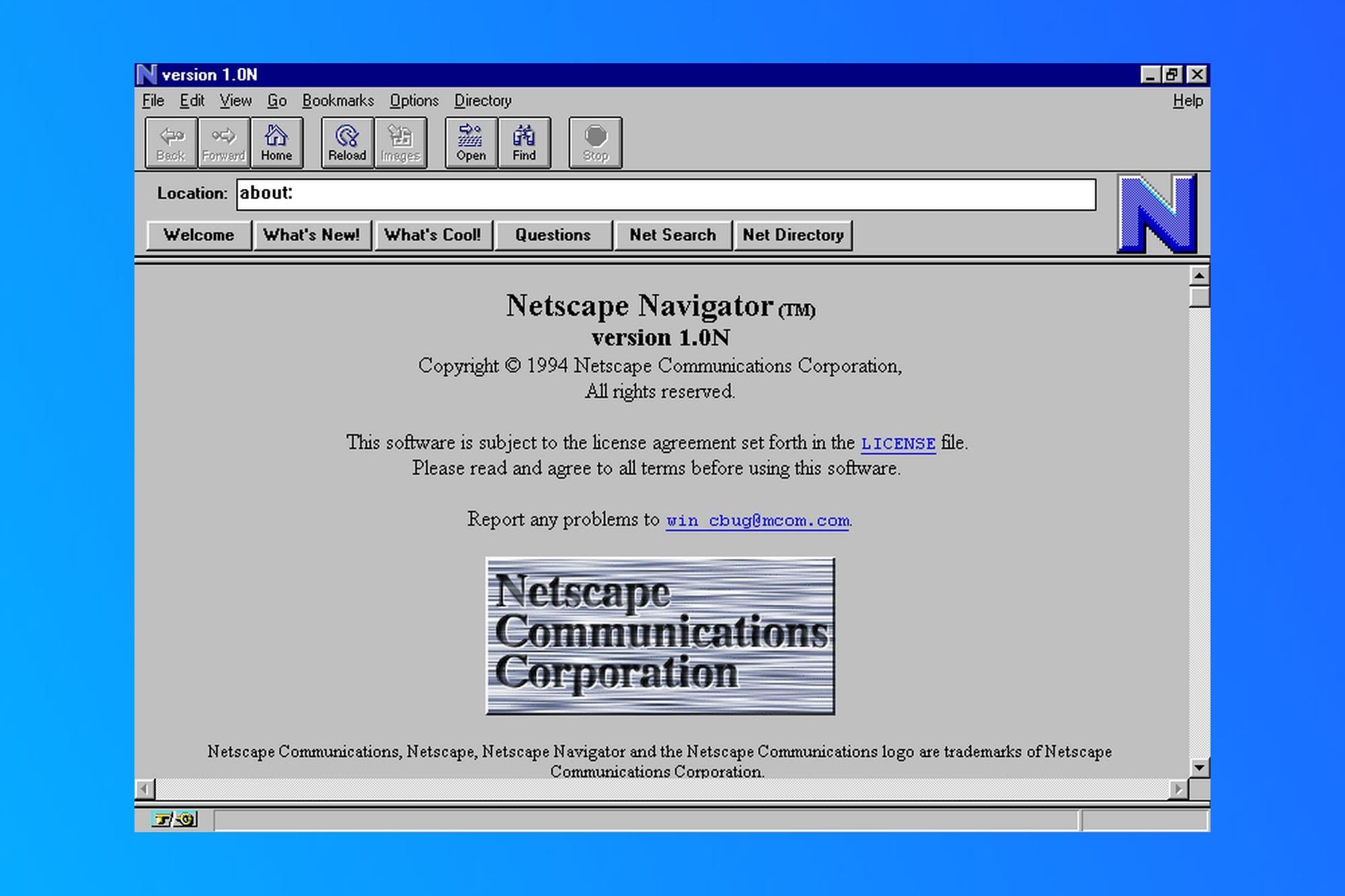
We're at Web 1.0 for AI
Here's why I'm still optimistic despite all of this.
Think about what Web 1.0 actually was. Static websites. Hand-coded HTML. No user-generated content. No e-commerce. No Stripe. No streaming. The infrastructure hadn't been built yet.
That's where AI is now.
The most prominent products are chat apps and coding agents. There's no "internet for AI." Some forward-thinking companies are adding "copy as markdown" to their documentation. That's about as advanced as it gets for AI-friendly infrastructure.
We are so early. It's kind of ridiculous.
And think about how many waves the internet had after Web 1.0. Web 2.0. Mobile. Cloud. Social. Each wave created entirely new categories of companies.
AI will have its own waves. We're at the very beginning of the first one.
Even if models stopped improving tomorrow (they won't), we'd need years just to build the infrastructure. So much legacy software needs to become AI-friendly. So much good product work is waiting to be done.
The companies that survive this period, the ones that keep the lights on while building real things, will define the next decade. Just like Horowitz's Loudcloud became Opsware became the foundation for a16z.
There's so much left to do. For everyone.
Leadership Is Weird
One thing from the book keeps coming back to me: you can't know if a leader is good before they start. There's no training for it. It's an unnatural skill to learn.
I feel this constantly. Leadership isn't something you acquire and then have. It's something you do badly, learn from, and hopefully do less badly next time. Repeat forever.
The AI era makes this extra weird because the technology changes so fast. By the time you figure out how to navigate one shift, another one hits.
Read the Book (Maybe)
If you're at an early-stage startup and things aren't going smoothly, read the book. Seriously.
If you're thinking about starting a startup but you're not sure... maybe don't read it. It might talk you out of it. That's probably a feature, not a bug.
The hard things are hard. There's no framework that makes them easy. But there's something comforting about knowing that everyone who's been successful has also been through absolute chaos.
I haven't seen anyone who's been through as much as Horowitz and lived to write about it. But I'm always happy to chat. If you want to grab a coffee (virtual or otherwise), reach out on Twitter at @tomaspiaggio.
We're all figuring this out together.
Tom Piaggio is the CTO of Autonoma. He's currently mass messaging people who might be reading this blog. Pray for his LinkedIn inbox. The technical debt is fine. Everything is fine.